
Most of us remember a time from childhood when a toothache felt endless. You could not chew properly, sweets suddenly hurt, and even speaking felt uncomfortable. Many people still ignore cavities, hoping the pain will go away on its own. Unfortunately, it never does.
A cavity is not just a small hole in the tooth. It is a sign that decay has already begun to damage the tooth structure. Left untreated, it can slowly reach the nerve, leading to severe pain, infection, and sometimes even tooth loss. This is where cavity filling treatment becomes important.
People say they delayed treatment because life felt too busy or the pain felt manageable at first. By the time they visit, the cavity has grown deeper. At Om Dental Clinic, we provide Cavity Filling Treatment in Trimurti Nagar. Keep reading to learn how a simple cavity-filling treatment at the right time can save the tooth, prevent discomfort, and restore normal daily life.
What Is a Cavity Filling?
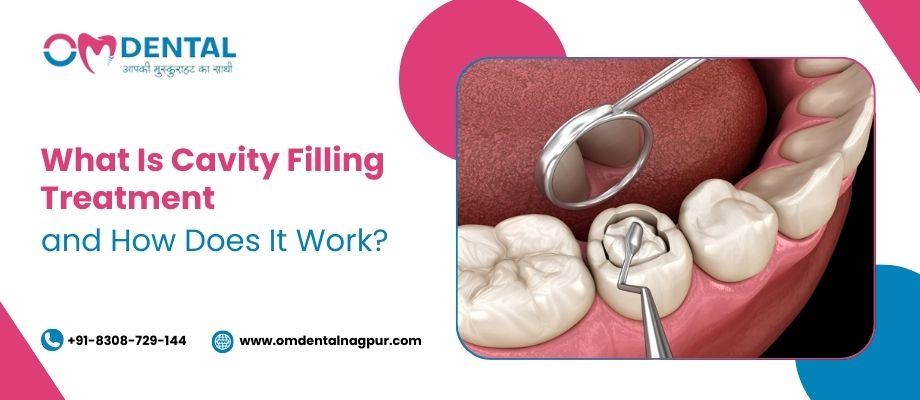
A cavity filling is a dental procedure used to repair a tooth that has been damaged by decay. When bacteria break down the enamel and create a cavity, the dentist removes the decayed portion and fills the space with a safe dental material.
The purpose of cavity filling treatment is simple. It stops further decay, restores the strength of the tooth, and allows you to eat and speak comfortably again. Once the filling is placed, the tooth can function normally, and the risk of future problems reduces significantly.
Patients visiting Om Dental Clinic for cavity filling treatment in Swawlambi Nagar and nearby areas often expect a complicated process. In reality, it is one of the most common and straightforward dental procedures when done on time.
When Should You Get a Cavity Filled?
If you notice tooth sensitivity, pain while chewing, visible holes, or discoloration, it is time to see a dentist. Even if there is no pain, regular dental checkups can help detect cavities early.
Early cavity filling treatment helps preserve the natural tooth and prevents complicated procedures later. Delaying treatment only increases discomfort and cost.
How Does a Cavity Filling Work?
The cavity filling process focuses on removing decay and protecting the healthy part of the tooth. Each step is carefully performed to ensure the tooth remains strong and comfortable after treatment.
First, the dentist examines the tooth and confirms the extent of decay using clinical evaluation and X-rays if required. Once the cavity is identified, the area is numbed to prevent the patient from feeling pain during the procedure.
After numbing, the decayed part of the tooth is gently removed. This step is important because any remaining decay can cause further damage even after filling. Once the tooth is cleaned, the filling material is placed into the cavity and shaped to match the natural structure of the tooth.
The final step involves polishing the filling so it feels smooth and fits well with the surrounding teeth. The dentist also checks the bite to ensure comfort while chewing.
Why Cavity Filling Treatment Is Important?
Many people underestimate cavities because the early stages may not cause pain. However, decay does not stop on its own. Without treatment, it spreads deeper into the tooth.
Cavity filling treatment prevents bacteria from reaching the nerve of the tooth. It helps avoid root canal treatment or extraction in the future. It also restores the appearance of the tooth, especially when tooth colored filling materials are used.
Patients seeking cavity filling treatment in Swawlambi Nagar often visit Om Dental Clinic after experiencing sensitivity to hot or cold foods. In most cases, timely filling helps relieve sensitivity and prevents further discomfort.
The Cavity Filling Process Step by Step
Dental technology has improved over the years, making cavity-filling treatment safer and more comfortable than ever before.
The process usually includes the following steps:
The decayed portion of the tooth is carefully removed using dental instruments. The focus is on preserving as much healthy tooth structure as possible.
Once the decay is removed, the tooth is cleaned thoroughly to eliminate bacteria and debris.
In some cases, the dentist numbs the area if the cavity is too deep and the patient is not able to bear pain. Anesthesia techniques help reduce pain and anxiety during treatment.
The filling material is then placed into the cavity. Depending on the material used, it may be hardened using a special light.
Finally, the dentist shapes and polishes the filling so it blends naturally with the tooth and feels comfortable while biting.
Types of Dental Fillings Available
Different types of filling materials are available, and the choice depends on the location of the cavity, the size of the decay, and patient preference.
- Amalgam fillings are made from a mixture of metals and are known for their strength and durability. They are commonly used for back teeth, where chewing pressure is high.
- Composite resin fillings are tooth colored and blend naturally with the surrounding teeth. These are often preferred for visible areas of the mouth. Many patients choose composite fillings during cavity filling treatment because of their natural appearance.
- Glass ionomer fillings release fluoride and are often used for small cavities, especially near the gum line. They help protect the tooth from further decay.
At Om Dental Clinic, the dentist explains each option clearly so patients can make an informed decision based on their needs.
Is Pain Normal After a Cavity Filling?
Some discomfort after cavity filling treatment is normal and temporary. Sensitivity to temperature or pressure may occur for a few days.
Gum soreness can also happen due to the dental instruments used during treatment. This usually heals quickly.
If the filling feels high or uncomfortable while biting, the dentist can easily adjust it. Persistent pain or severe discomfort should be reported, as it may indicate the need for further evaluation.
Patients visiting Om Dental Clinic for cavity filling treatment in Trimurti Nagar are carefully guided on what to expect after the procedure, so there is no unnecessary worry.
How Long Does a Cavity Filling Procedure Take?
The time required for cavity filling treatment depends on the size and location of the cavity.
Simple fillings usually take about thirty to forty-five minutes. Larger or deeper cavities may take up to an hour.
If multiple fillings are needed, the appointment time may be longer. The dentist will always inform you in advance about the expected duration.
What Is The Cost of Cavity Filling Treatment?
The cost of cavity filling treatment varies based on the type of filling material used and the complexity of the cavity.
Amalgam fillings are generally more affordable. Composite resin fillings may cost slightly more due to their aesthetic benefits.
At Om Dental Clinic, patients receive a clear explanation of treatment costs before the procedure. This transparency helps patients plan their dental care without stress.
Why Choose Om Dental Clinic for Cavity Filling Treatment?
Choosing the right dental clinic makes a significant difference in treatment experience and outcomes.
Om Dental Clinic focuses on patient comfort, clear communication, and long-lasting results. The clinic uses modern techniques and quality materials to ensure safe and effective cavity filling treatment.
People from Trimurti Nagar and Swawlambi Nagar trust the clinic for its ethical approach and personalized care. Every treatment plan is customized based on the patient’s dental condition and comfort level.
Take Care of Your Cavity Today
A cavity may seem like a small problem, but it can affect your daily life in many ways. Timely cavity filling treatment restores comfort, protects your tooth, and prevents future dental issues.
If you are looking for reliable cavity filling treatment in Trimurti Nagar or cavity filling treatment in Swawlambi Nagar, Om Dental Clinic offers trusted care with a patient-focused approach.